
Fragment
Tiwanaku · 1000-1476
- Medium
- Oil on canvas
- Original size
- 27.9 × 8.3 cm (11 × 3 1/4 in.)
- Currently held
- Art Institute of Chicago
- Movement
- Medieval
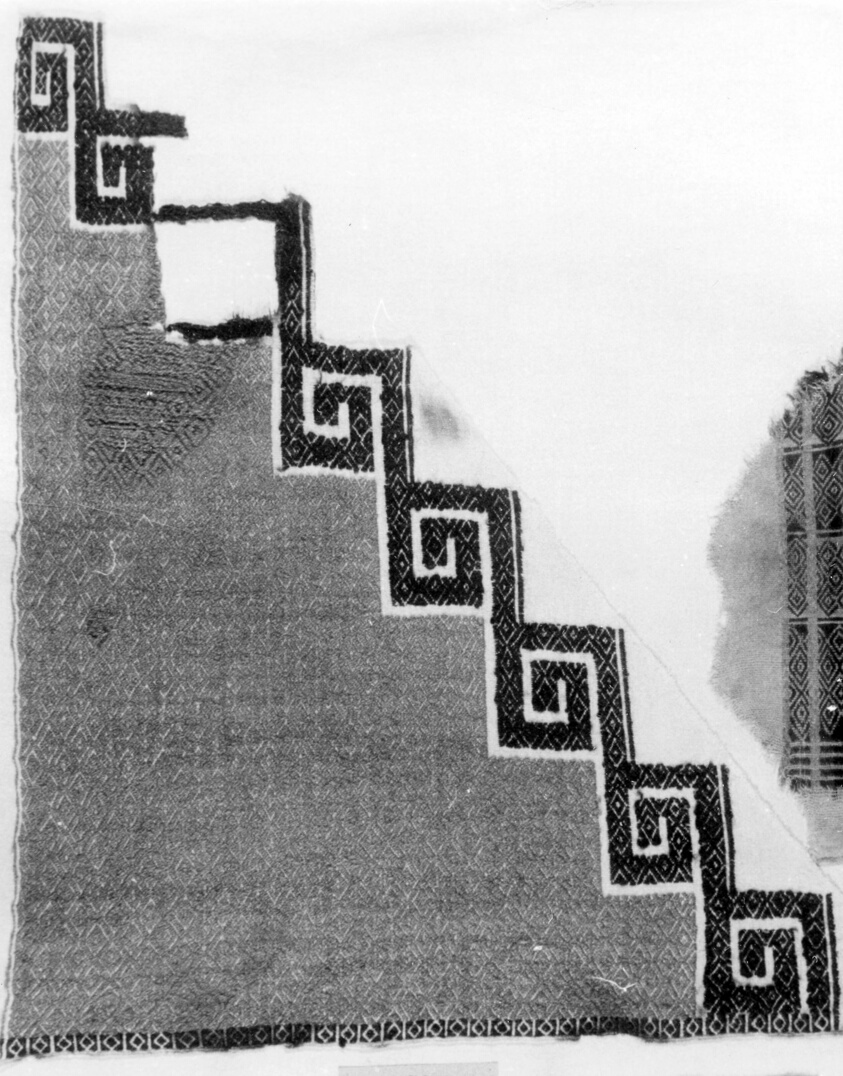
This ancient fragment carries the visual authority of a civilization that shaped Andean culture for centuries, its geometric forms and compressed figural imagery as deliberate now as when they were first made. Tiwanaku was a powerful pre-Columbian state centered near Lake Titicaca, in what is now Bolivia, and its artists developed one of the most recognizable visual languages in the ancient Americas. Working across stone, ceramic, and textile, Tiwanaku craftspeople favored strict symmetry, interlocking geometric units, and a bold reduction of the human or divine figure to its most essential elements. Even a fragment communicates the whole system — the part implies the whole, and the whole is always ordered, always deliberate. Tiwanaku textiles and portable objects spread across a vast trade network, meaning works like this one traveled far from their origin and influenced regional styles across the Andes for generations after the civilization's decline. This hand-painted oil reproduction translates those ancient graphic rhythms into the warmth and depth of paint on canvas, preserving every angle and interval of the original while bringing a new material presence to a work that has survived a thousand years.
Hand-painted oil reproduction
Painted in real oil on stretched canvas by master copyists. Delivered unframed — ready to frame at home.
Choose a size
In Tiwanaku's style.
Send us a photograph of your family, pet, or home — we'll paint it as a custom oil on stretched canvas in any style you like. From £220.
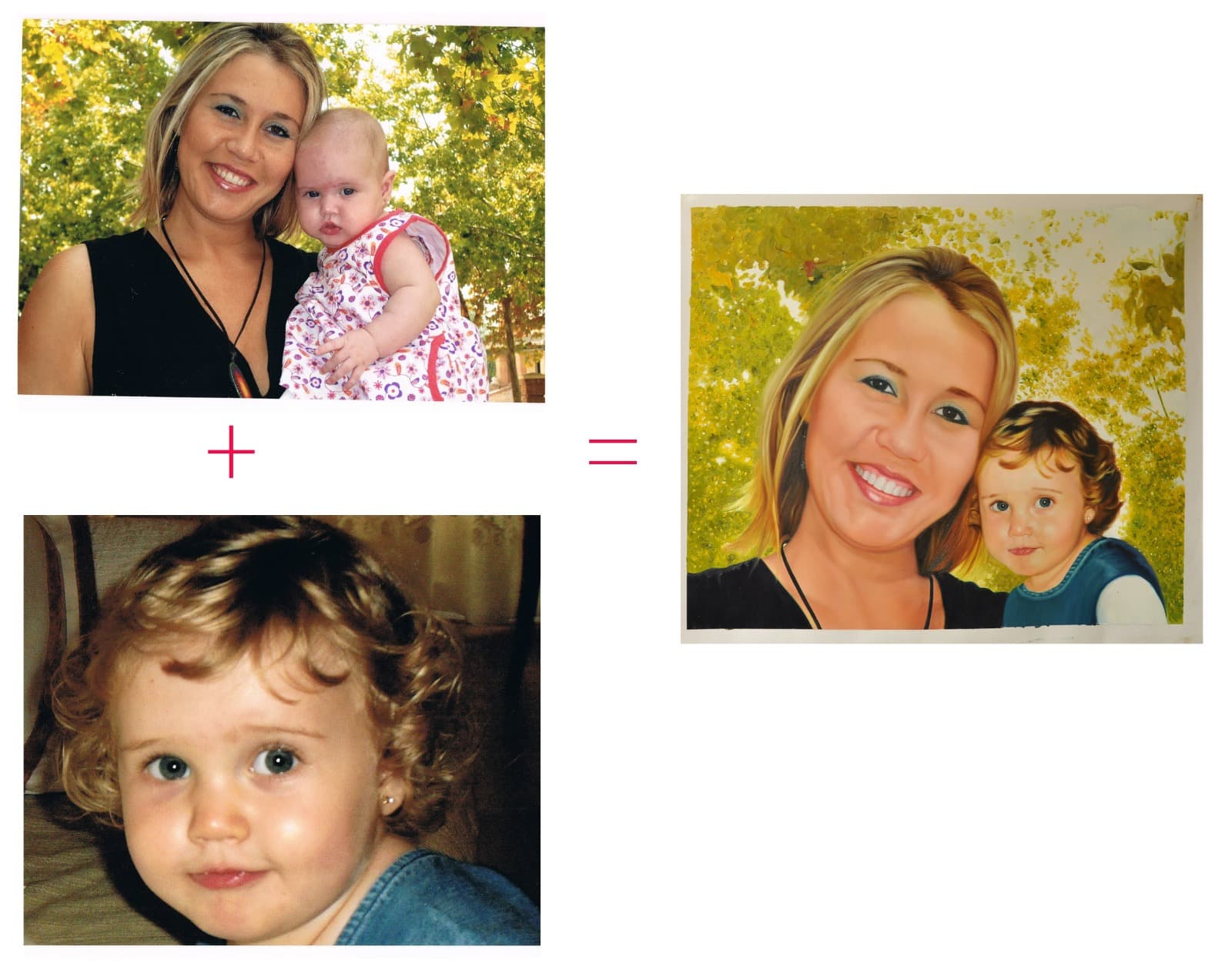
← Real customer commission · see the full gallery
Code WELCOME20 at checkout for 20% off your first commission.
Commission yours →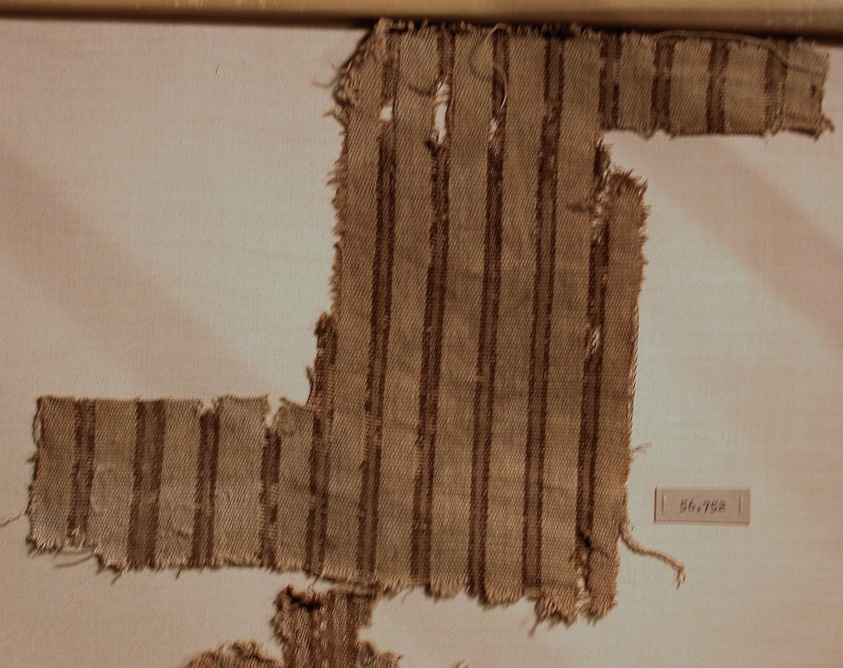
More Medieval
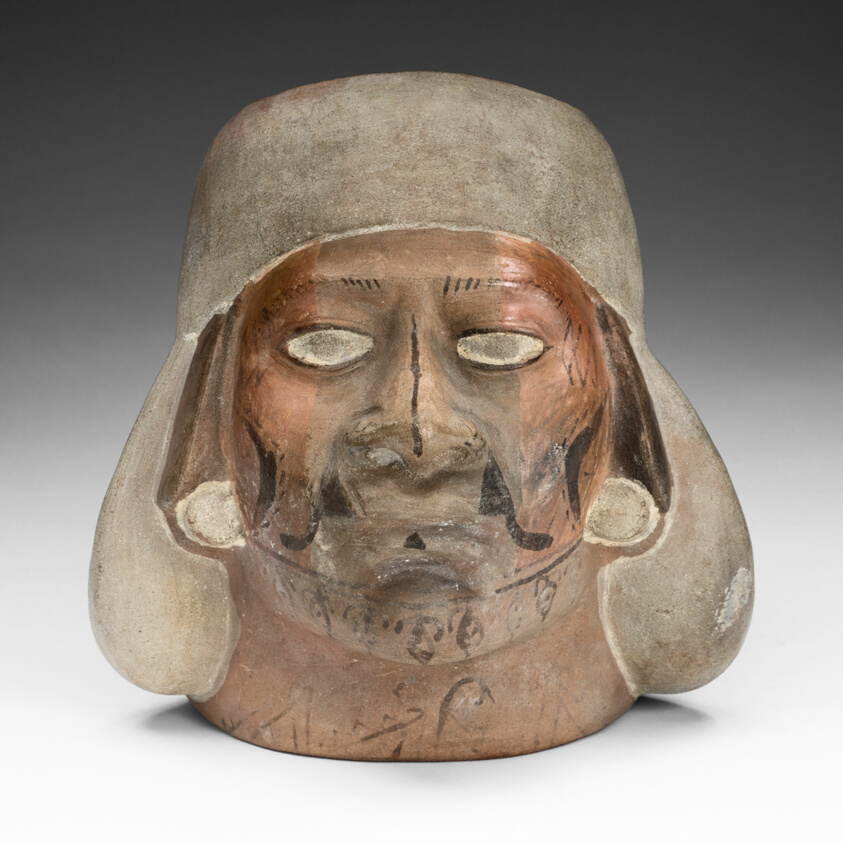
Portrait Vessel of a Young Man with a Scarred Lip
Moche · 100 BCE–500 CE
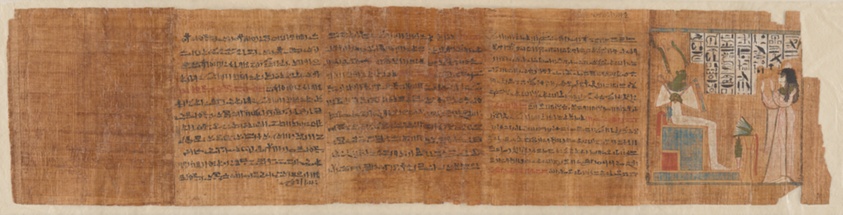
Funerary Papyrus of Tayuhenutmut
Ancient Egyptian · Third Intermediate Period, probably Dynasty 21 (about 1069-945 BCE)
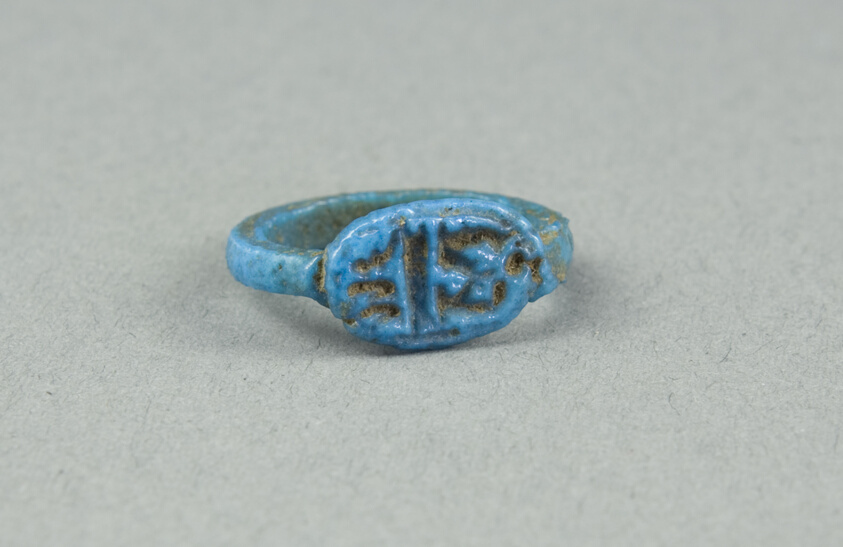
Ring: Ramesses-mry-Amun?
Ancient Egyptian · New Kingdom, Dynasty 20, reign of Ramesses V? (about 1147–1143 BCE)