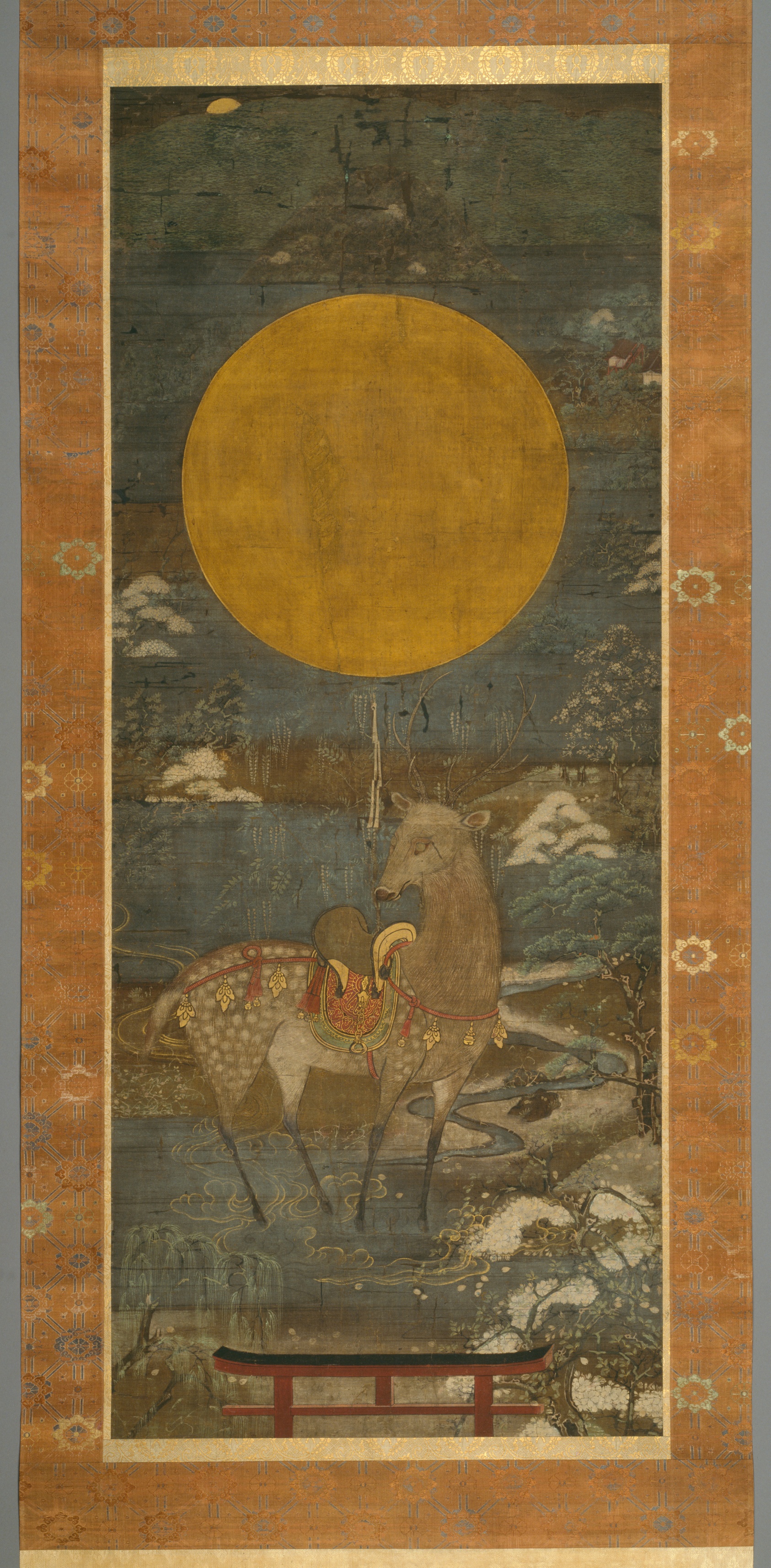
Kasuga Deer Mandala
Mandara Shika · 15th century
- Medium
- Ink, colors, and gold on silk
- Original size
- 125.6 × 51.1 cm (49 1/2 × 20 1/8 in.)
- Currently held
- Art Institute of Chicago
- Movement
- Medieval
The Kasuga Deer Mandala is one of the most arresting expressions of medieval Japanese religious art — a shimmering devotional image that fuses Shinto reverence for nature with Buddhist cosmology in a single, luminous composition. Created in fifteenth-century Japan, this type of mandala emerged from the honji suijaku doctrine, which held that Shinto deities were local manifestations of Buddhist figures. The sacred white deer of Kasuga Shrine in Nara stands at the centre bearing a sakaki branch hung with Buddhist deity portraits, embodying that union between the two faiths in one elegant visual metaphor. The artist worked on silk with ink, mineral pigments, and burnished gold, a combination that lends the original an otherworldly depth — the gold ground seems to radiate rather than merely reflect light. Kasuga Deer Mandalas were venerated objects as much as artworks, used in rites at one of Japan's most important shrine complexes, and examples from this period are now among the rarest survivals of Japanese religious painting. The Art Institute of Chicago holds this example as part of a small and distinguished group of such works outside Japan. The hand-painted oil reproduction honours the layered, meditative quality of the original — the gold warmth, the delicate line, and the quiet spiritual authority that has made this image endure for six centuries.
Hand-painted oil reproduction
Painted in real oil on stretched canvas by master copyists. Delivered unframed — ready to frame at home.
Choose a size
In Shika's style.
Send us a photograph of your family, pet, or home — we'll paint it as a custom oil on stretched canvas in any style you like. From £220.
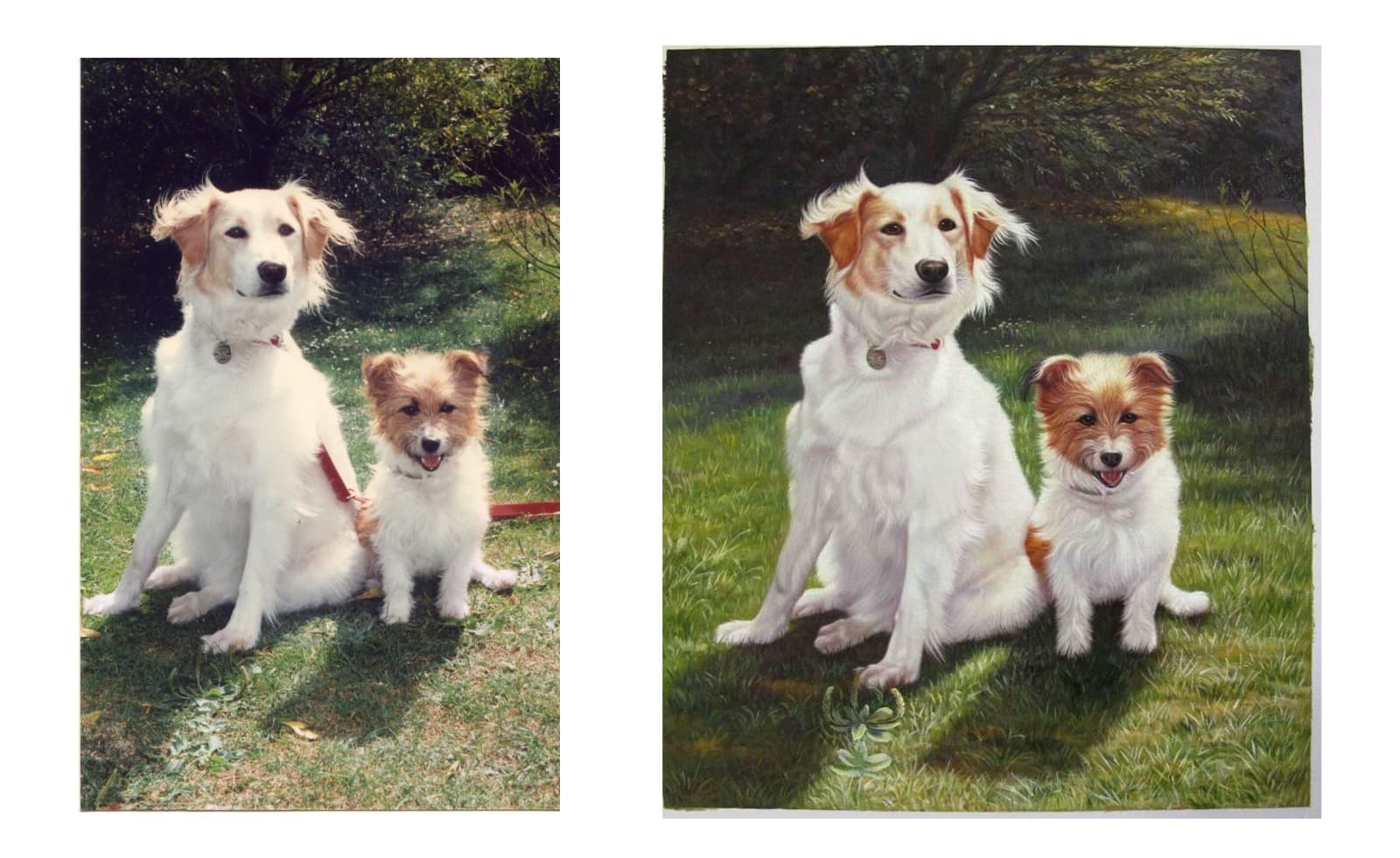
← Real customer commission · see the full gallery
Code WELCOME20 at checkout for 20% off your first commission.
Commission yours →More Medieval
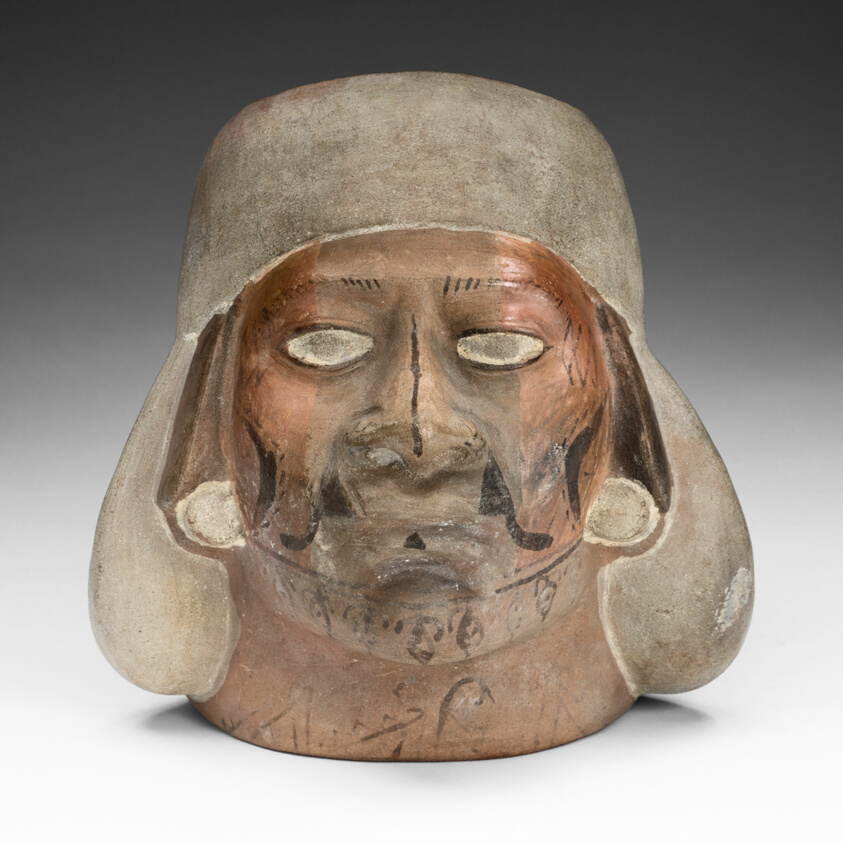
Portrait Vessel of a Young Man with a Scarred Lip
Moche · 100 BCE–500 CE
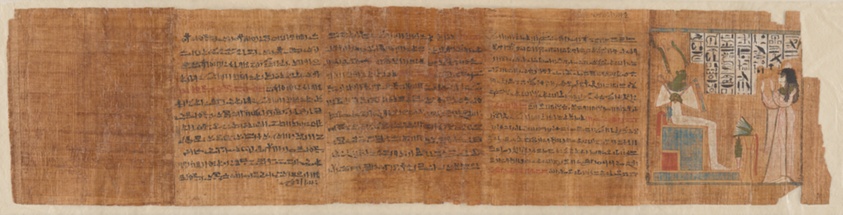
Funerary Papyrus of Tayuhenutmut
Ancient Egyptian · Third Intermediate Period, probably Dynasty 21 (about 1069-945 BCE)
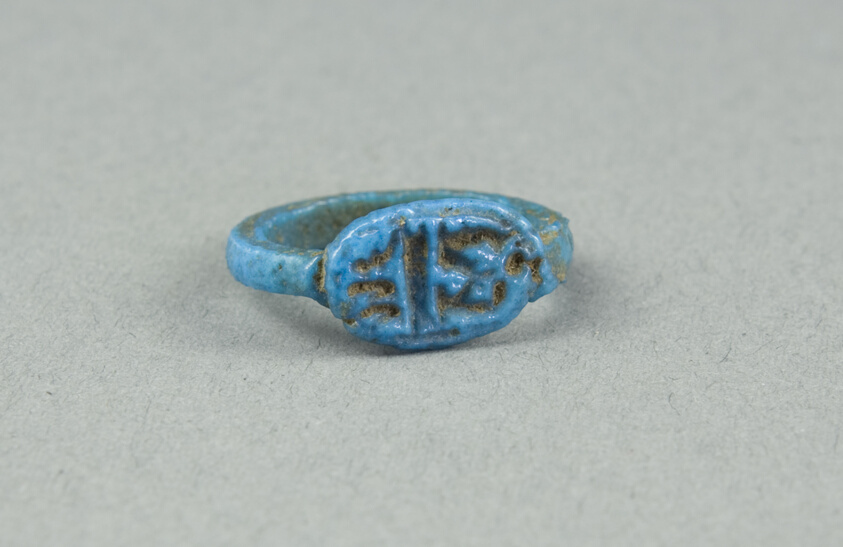
Ring: Ramesses-mry-Amun?
Ancient Egyptian · New Kingdom, Dynasty 20, reign of Ramesses V? (about 1147–1143 BCE)