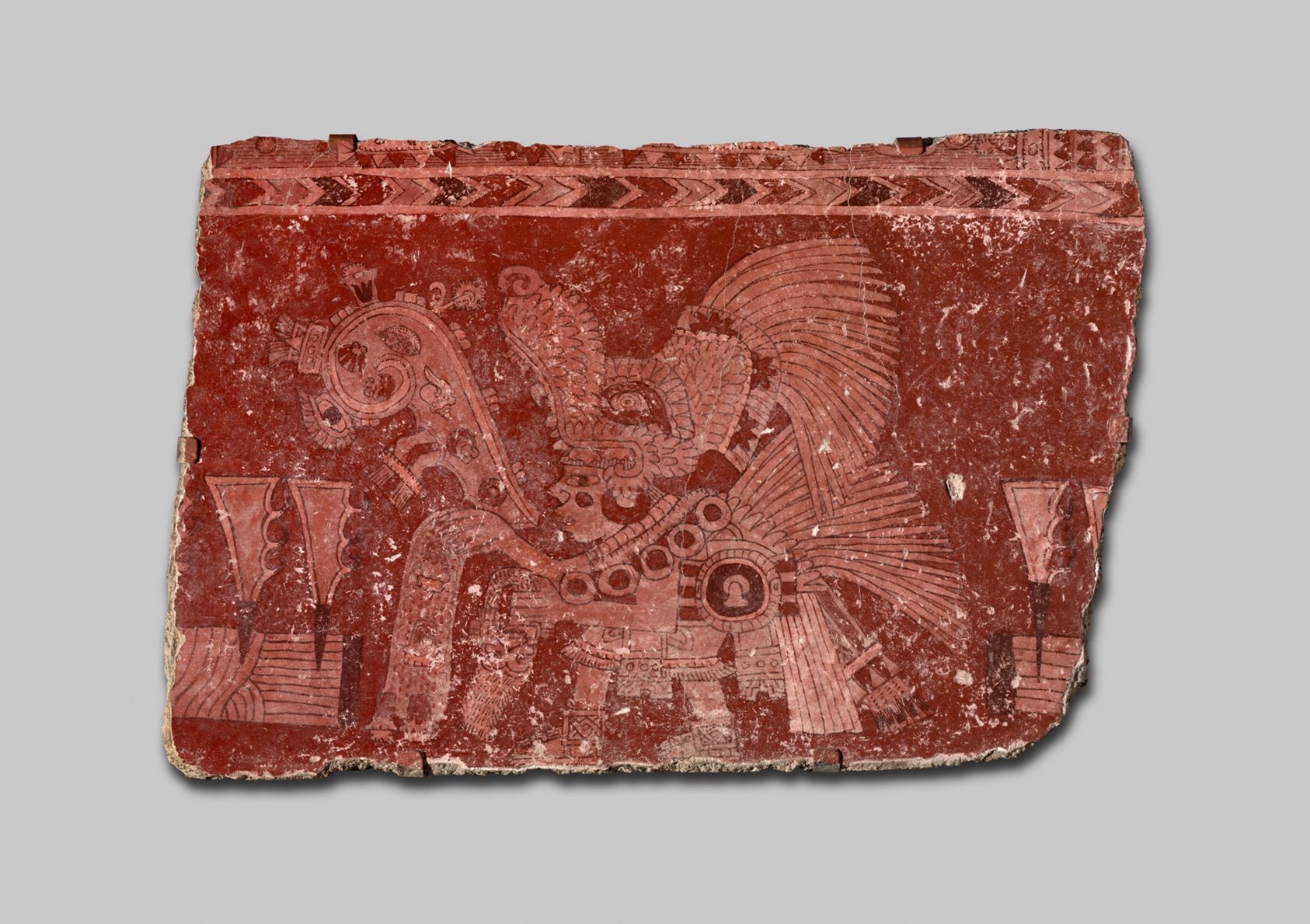
Mural Fragment Depicting a Maguey Bloodletting Ritual
Teotihuacan · 500–600 CE
- Medium
- Lime plaster with mineral pigment
- Original size
- 63.8 × 95 cm (25 × 37 1/2 in.)
- Currently held
- Art Institute of Chicago
- Movement
- Medieval
This ancient mural fragment offers a rare window into the ceremonial world of Teotihuacan, one of the largest cities of the ancient Americas, rendered in vivid ochres, reds, and greens that have survived more than fourteen centuries. Created by unknown artisans working at the height of Teotihuacan's power, the image depicts a bloodletting rite involving the maguey plant — a ceremony central to the city's religious life, in which participants drew blood as a sacred offering to the gods. Teotihuacan painters worked on wet lime plaster using mineral-based pigments, applying broad flat fields of colour with confident, precise outlines — a style that feels both formal and alive. The technique demanded speed and certainty; there was little room for revision once the brush met the plaster. Maguey bloodletting imagery appears across multiple buildings at Teotihuacan, suggesting it held significance throughout the city's religious calendar rather than being confined to a single temple or ruling class. This hand-painted oil reproduction translates the mural's bold geometry and layered symbolism onto canvas, honouring the original's commanding palette while bringing its ancient drama into a format built to last another century in your home.
Hand-painted oil reproduction
Painted in real oil on stretched canvas by master copyists. Delivered unframed — ready to frame at home.
Choose a size
In Teotihuacan's style.
Send us a photograph of your family, pet, or home — we'll paint it as a custom oil on stretched canvas in any style you like. From £220.

← Real customer commission · see the full gallery
Code WELCOME20 at checkout for 20% off your first commission.
Commission yours →More Medieval
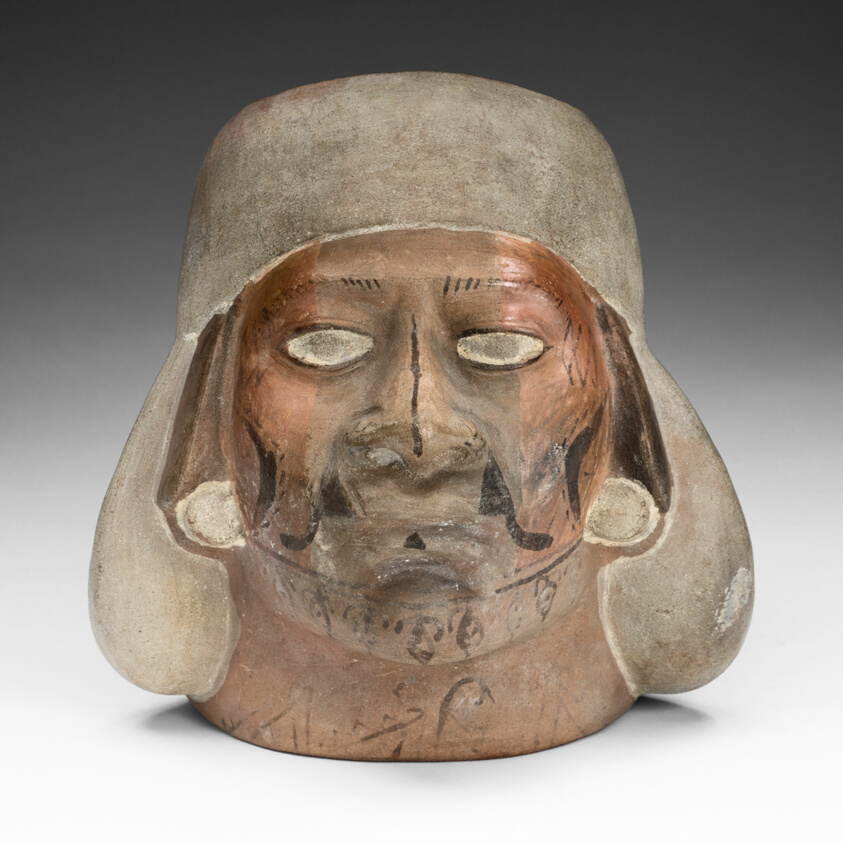
Portrait Vessel of a Young Man with a Scarred Lip
Moche · 100 BCE–500 CE
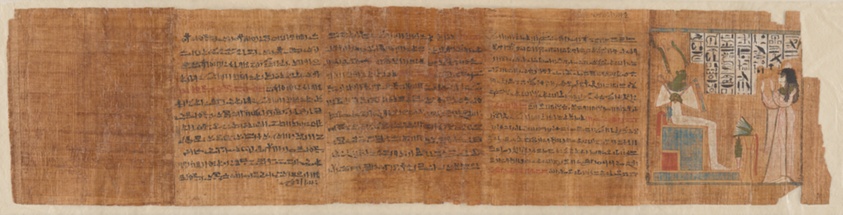
Funerary Papyrus of Tayuhenutmut
Ancient Egyptian · Third Intermediate Period, probably Dynasty 21 (about 1069-945 BCE)
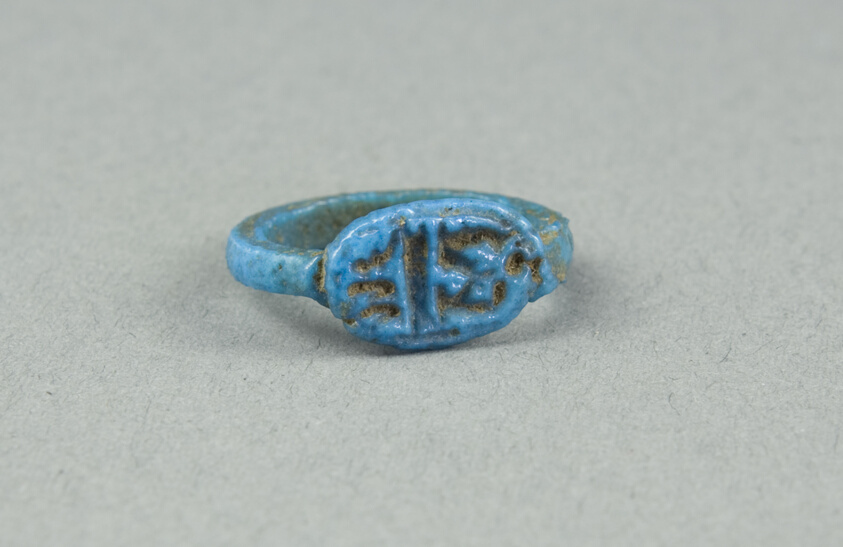
Ring: Ramesses-mry-Amun?
Ancient Egyptian · New Kingdom, Dynasty 20, reign of Ramesses V? (about 1147–1143 BCE)