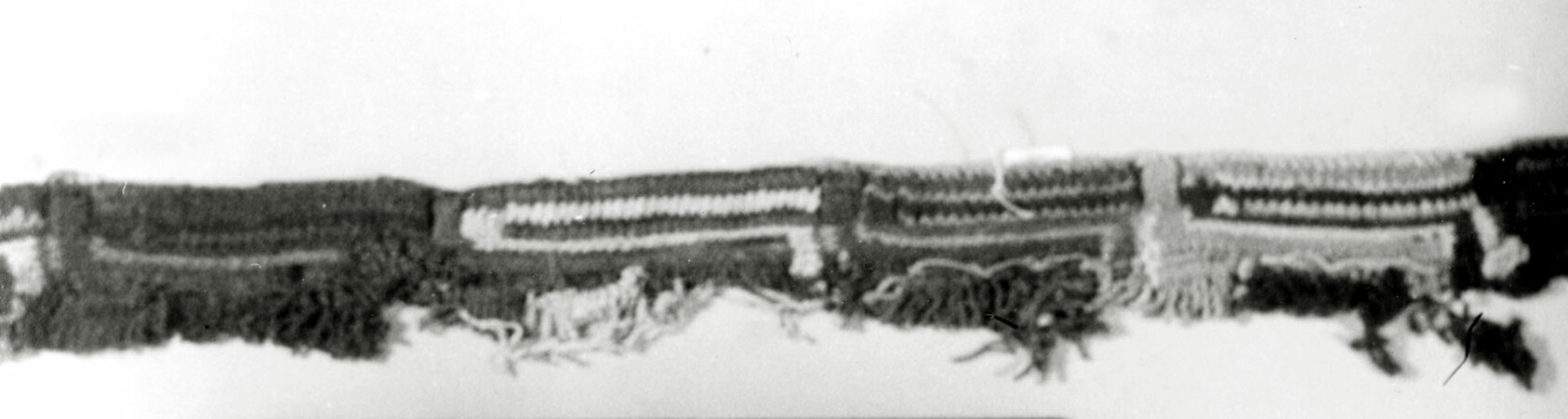
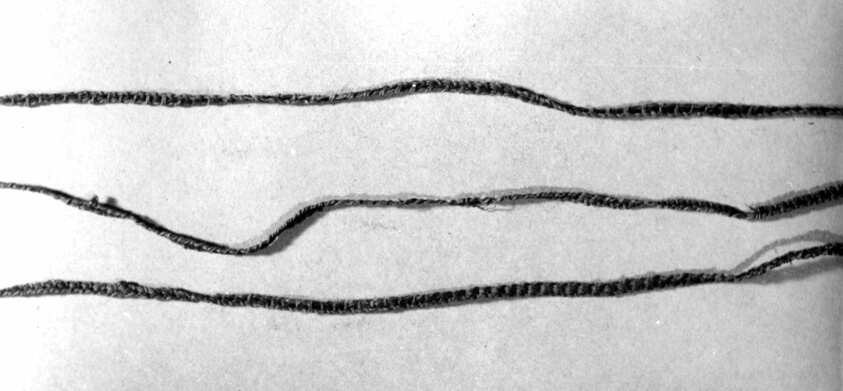
Fragment (Border)
Nasca · 100 BCE-200 CE
- Medium
- Oil on canvas
- Original size
- 99.1 × 4.5 cm (39 × 1 3/4 in.)
- Currently held
- Art Institute of Chicago
- Movement
- Medieval
This vivid textile fragment from the Nasca culture of ancient Peru distills centuries of sophisticated visual tradition into a single, jewel-like border composition. The Nasca, who flourished along the southern coast of Peru roughly between 100 BCE and 600 CE, were master weavers whose textile work ranks among the most technically accomplished of the ancient world. Border fragments like this one typically feature repeating figures — supernatural beings, stylised animals, or trophy-head motifs — rendered in a palette of deep ochres, terracottas, and earth tones achieved through natural plant and mineral dyes. Each element was deliberately composed to function both as decoration and as a carrier of ritual or cosmological meaning, with the border serving not as mere ornament but as a symbolic frame for the larger textile. Nasca textiles have survived in remarkable condition owing to the extreme aridity of the Peruvian coastal desert, which is why institutions like the Art Institute of Chicago are able to hold fragments in a state that still communicates something of the original chromatic intensity. This hand-painted oil reproduction translates that dense, patterned energy onto canvas, preserving the geometric precision and warm tonal range of the original while giving the composition the physical presence and tactile depth that a reproduction medium uniquely allows.
Hand-painted oil reproduction
Painted in real oil on stretched canvas by master copyists. Delivered unframed — ready to frame at home.
Choose a size
In Nasca's style.
Send us a photograph of your family, pet, or home — we'll paint it as a custom oil on stretched canvas in any style you like. From £220.
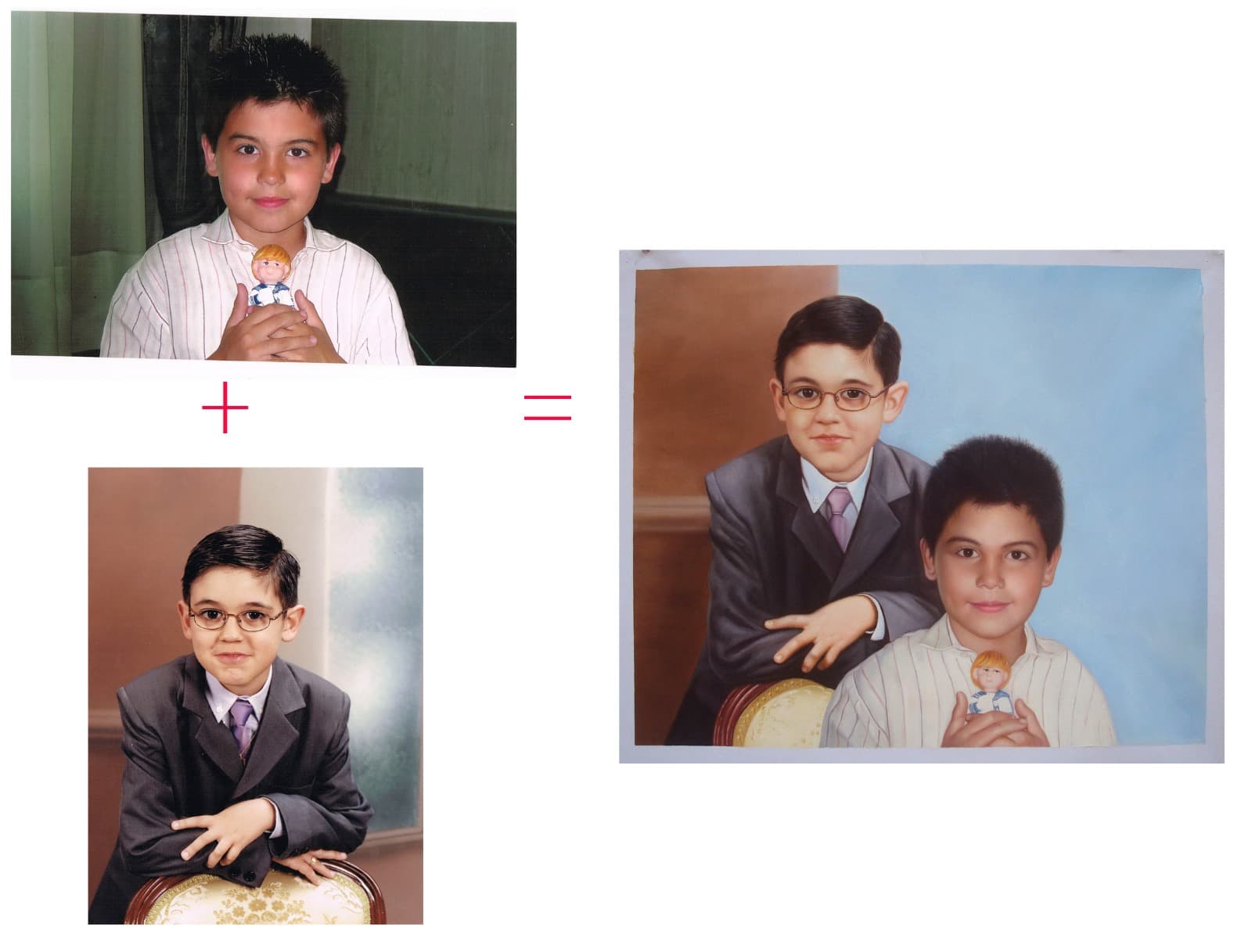
← Real customer commission · see the full gallery
Code WELCOME20 at checkout for 20% off your first commission.
Commission yours →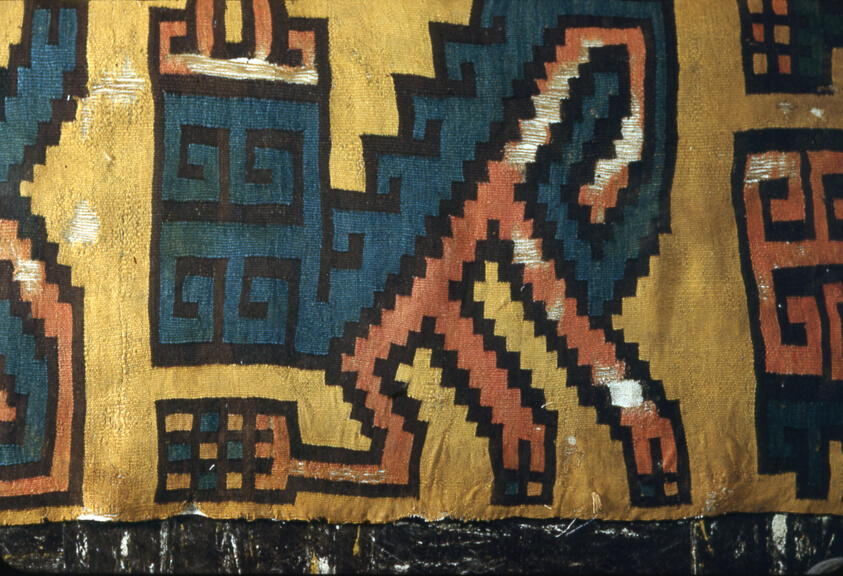
More Medieval
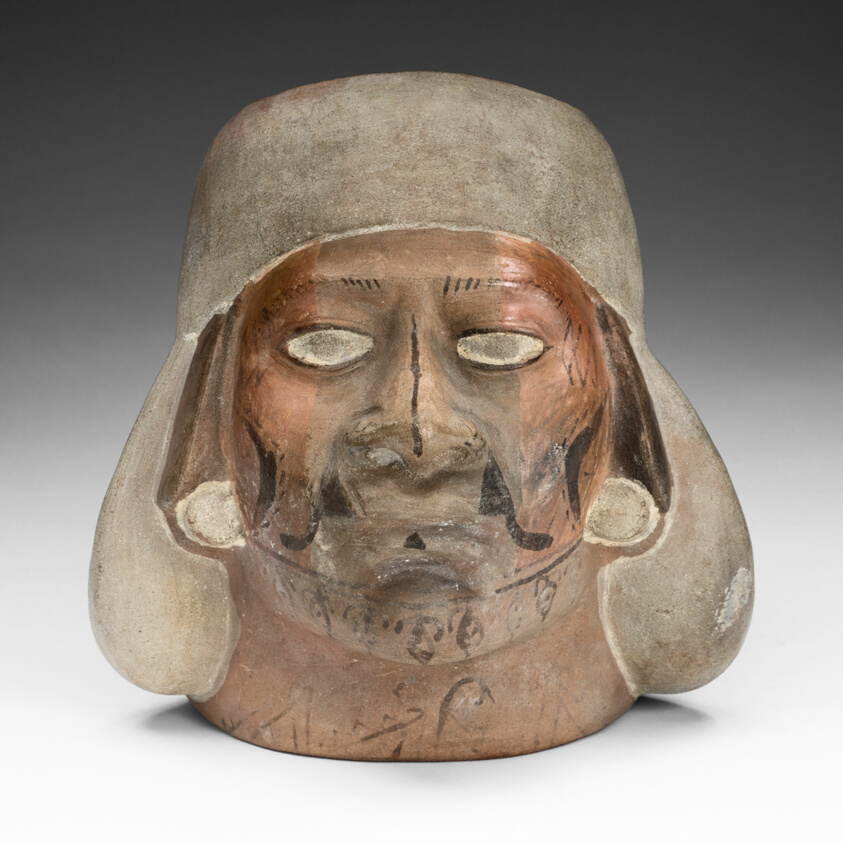
Portrait Vessel of a Young Man with a Scarred Lip
Moche · 100 BCE–500 CE
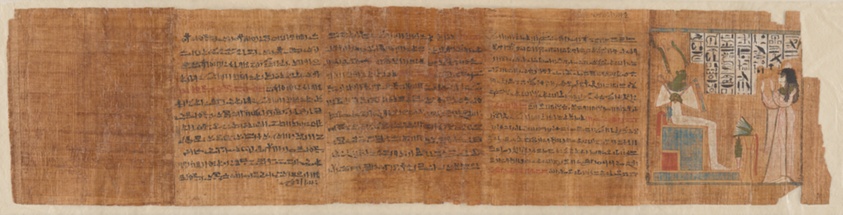
Funerary Papyrus of Tayuhenutmut
Ancient Egyptian · Third Intermediate Period, probably Dynasty 21 (about 1069-945 BCE)
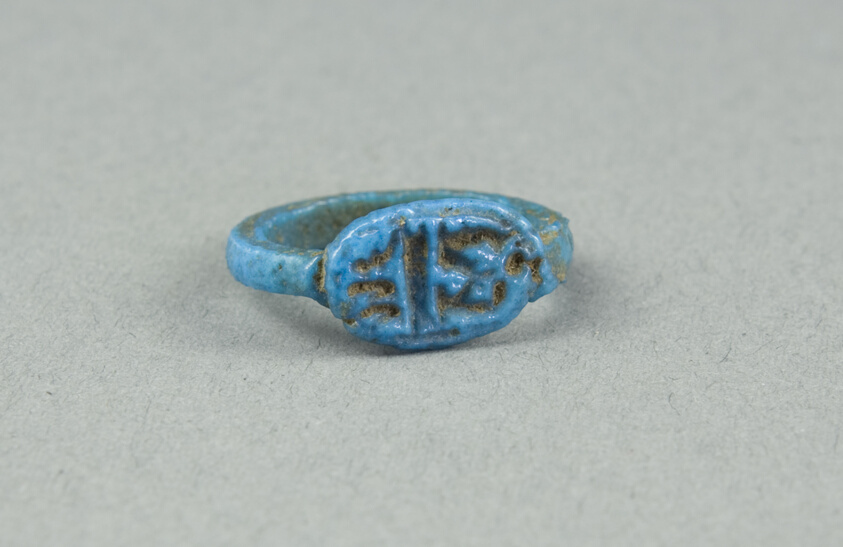
Ring: Ramesses-mry-Amun?
Ancient Egyptian · New Kingdom, Dynasty 20, reign of Ramesses V? (about 1147–1143 BCE)