
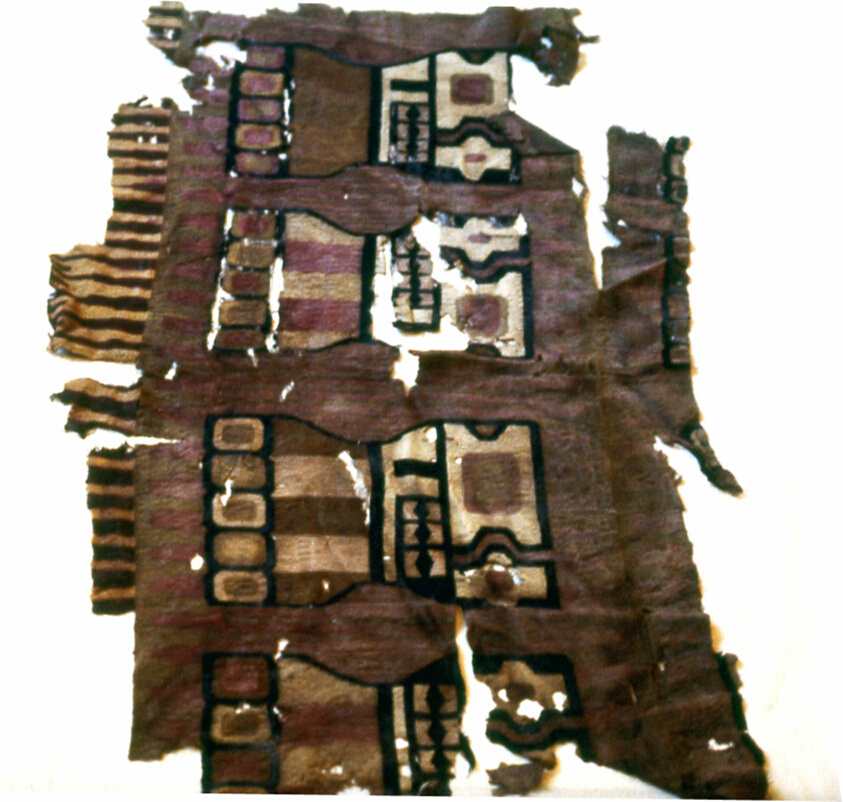
Fragment (From a Tunic)
Wari · 600 CE-800 CE
- Medium
- Oil on canvas
- Original size
- 34.6 × 70.5 cm (13 5/8 × 27 3/4 in.)
- Currently held
- Art Institute of Chicago
- Movement
- Medieval
This fragment of a Wari ceremonial tunic is a testament to one of the ancient world's most technically dazzling textile traditions, its geometric forms and saturated color retaining extraordinary intensity after more than a thousand years. The Wari empire dominated the south-central Andes between roughly 600 and 1000 CE, and their weavers were among the most skilled in the pre-Columbian world. Tunics like this one were woven in fine tapestry technique using camelid fiber — typically alpaca — dyed in deep reds, blues, and greens derived from plants and minerals found across the Andean landscape. The abstract, interlocking figures that characterize Wari textiles are thought to encode religious or political meaning, functioning almost as a visual language worn on the body. Wari tunics were high-status objects, exchanged as diplomatic gifts and buried with the elite, which is why surviving fragments are treated as primary historical documents rather than decorative artifacts. The hand-painted oil reproduction translates the bold geometry and chromatic density of the original into a medium that rewards close looking — the layered brushwork echoing, in its own way, the interlocked weft threads that make Wari weaving so remarkable to study and to own.
Hand-painted oil reproduction
Painted in real oil on stretched canvas by master copyists. Delivered unframed — ready to frame at home.
Choose a size
In Wari's style.
Send us a photograph of your family, pet, or home — we'll paint it as a custom oil on stretched canvas in any style you like. From £220.
← Real customer commission · see the full gallery
Code WELCOME20 at checkout for 20% off your first commission.
Commission yours →
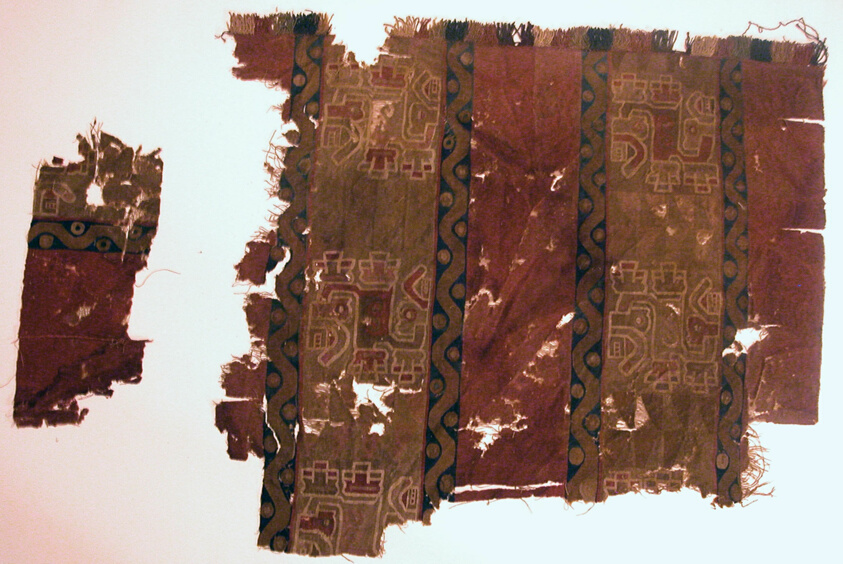
More Medieval
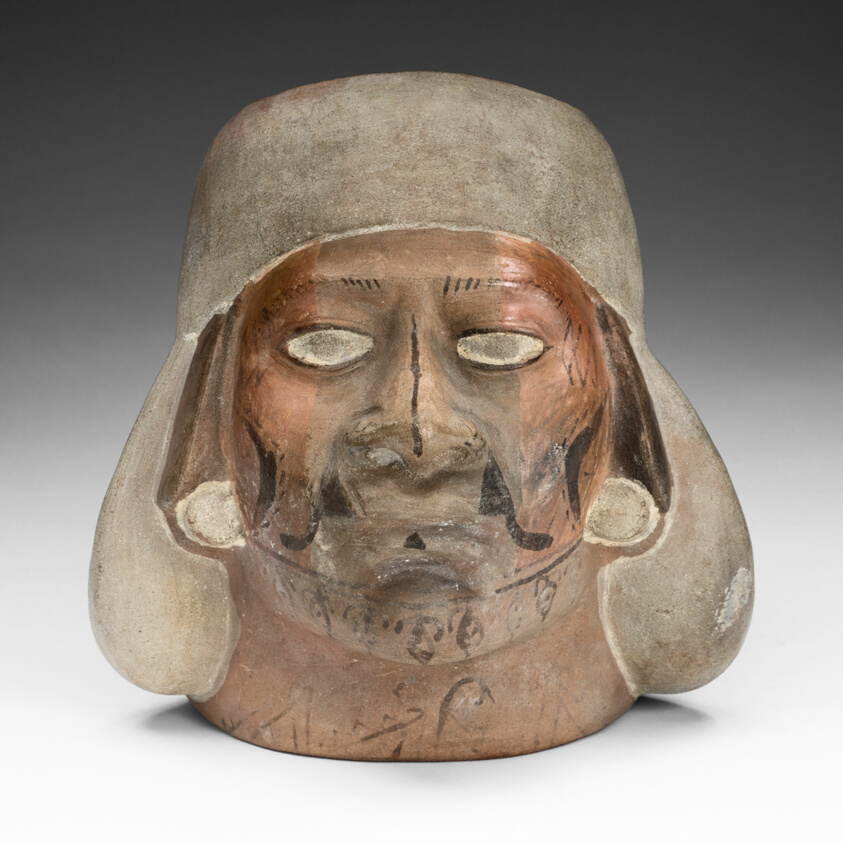
Portrait Vessel of a Young Man with a Scarred Lip
Moche · 100 BCE–500 CE
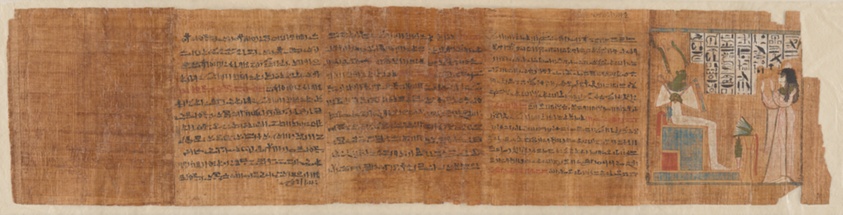
Funerary Papyrus of Tayuhenutmut
Ancient Egyptian · Third Intermediate Period, probably Dynasty 21 (about 1069-945 BCE)
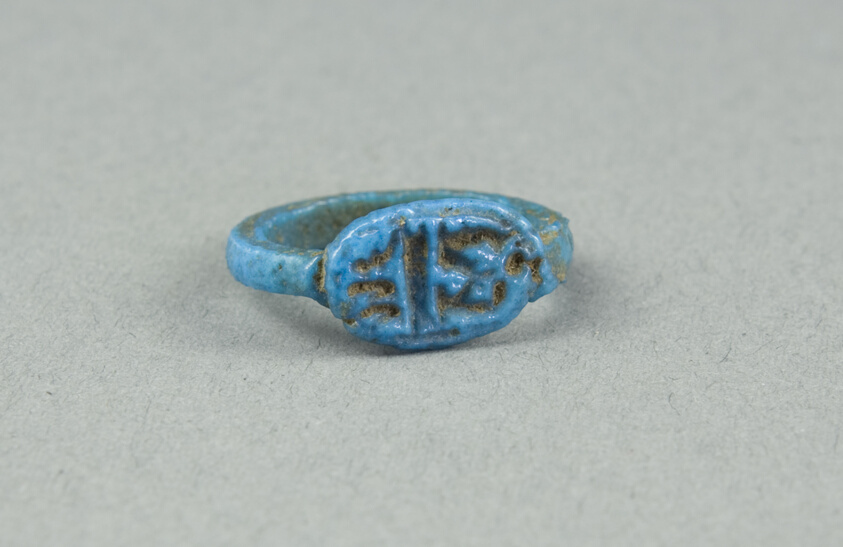
Ring: Ramesses-mry-Amun?
Ancient Egyptian · New Kingdom, Dynasty 20, reign of Ramesses V? (about 1147–1143 BCE)