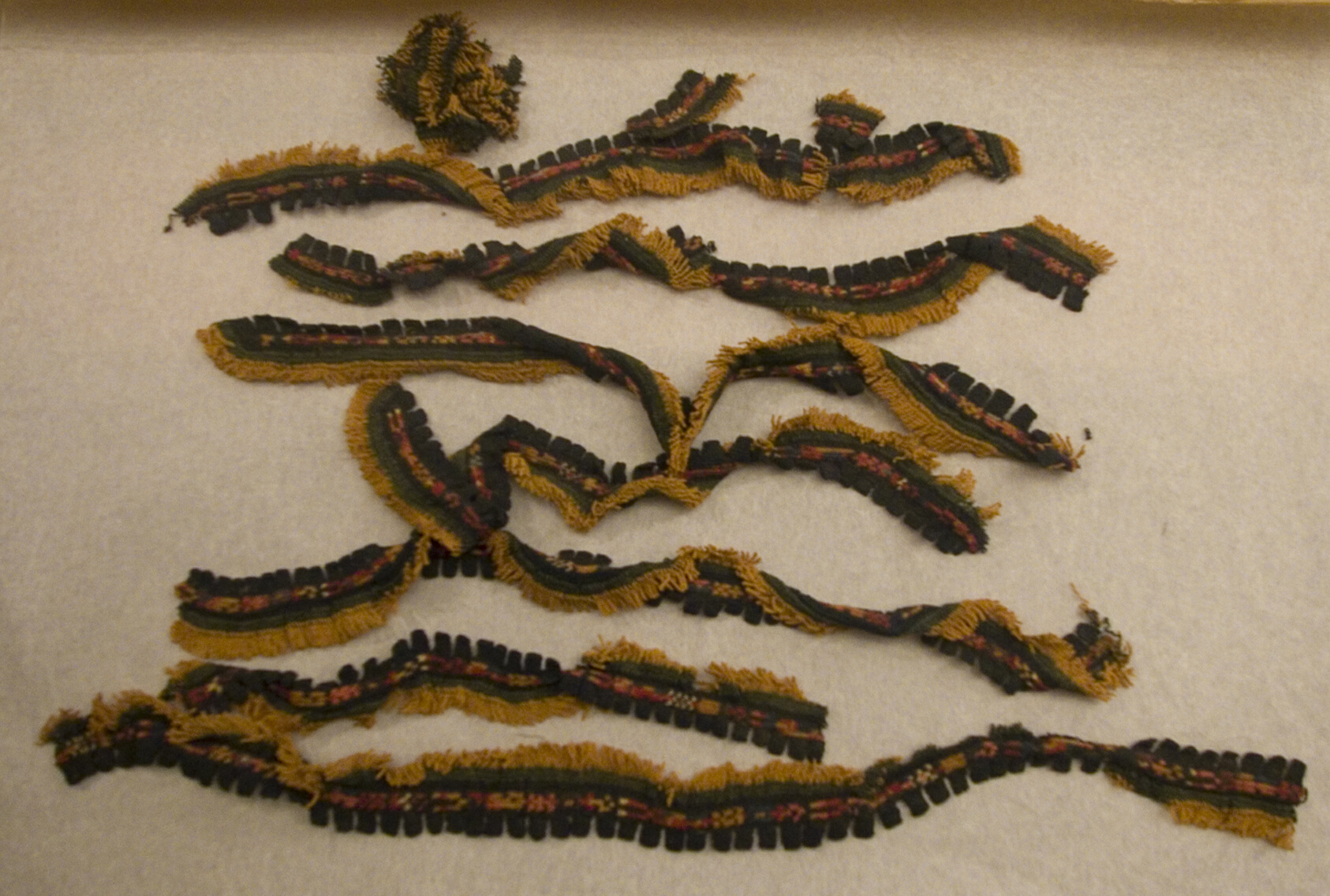
Fragments
Nasca · 100 BCE-200 CE
- Medium
- Oil on canvas
- Currently held
- Art Institute of Chicago
- Movement
- Medieval
Fragments offers a rare window into the visual world of the ancient Nasca people, whose art from the south coast of Peru remains among the most technically accomplished of any pre-Columbian culture. The Nasca civilisation, active roughly between 100 BCE and 800 CE, produced textiles and ceramics of extraordinary complexity. Working with hand-spun fibers and natural dyes, Nasca weavers and artists developed a visual language of interlocking geometric forms, supernatural figures, and abstracted natural motifs that carried deep ritual and cosmological meaning. What makes Nasca work distinctive is the precision of its pattern-making — the sense that every fragment, however small, was part of a carefully considered whole. The Art Institute of Chicago holds several Nasca works that testify to how widely these objects circulated, collected and studied over the past century as appreciation for ancient Andean artistry grew in Western institutions. This hand-painted oil reproduction translates the original's layered geometry and muted earth tones into a format suited to living spaces, preserving the visual rhythm and tonal richness that make the source piece so compelling to study.
Hand-painted oil reproduction
Painted in real oil on stretched canvas by master copyists. Delivered unframed — ready to frame at home.
Choose a size
In Nasca's style.
Send us a photograph of your family, pet, or home — we'll paint it as a custom oil on stretched canvas in any style you like. From £220.

← Real customer commission · see the full gallery
Code WELCOME20 at checkout for 20% off your first commission.
Commission yours →
More Medieval
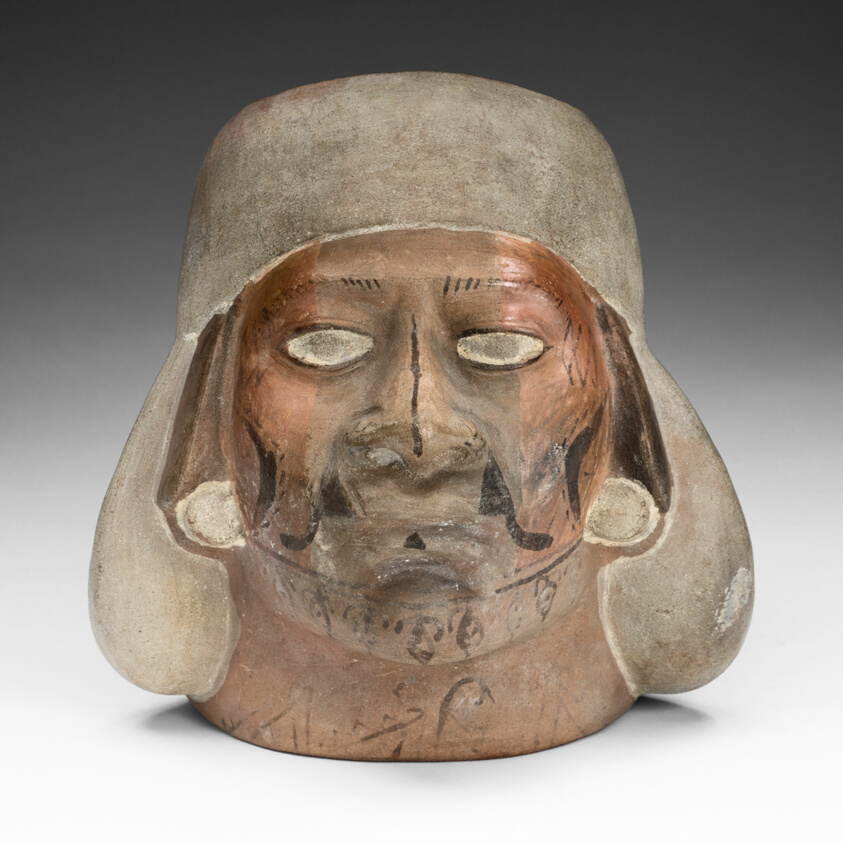
Portrait Vessel of a Young Man with a Scarred Lip
Moche · 100 BCE–500 CE
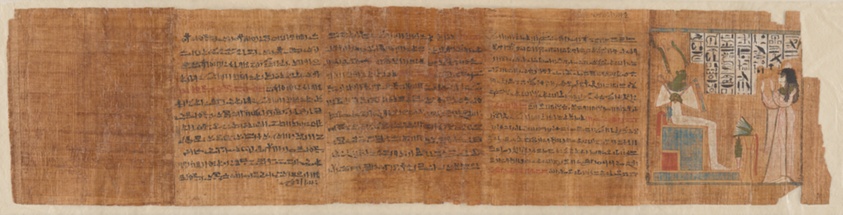
Funerary Papyrus of Tayuhenutmut
Ancient Egyptian · Third Intermediate Period, probably Dynasty 21 (about 1069-945 BCE)
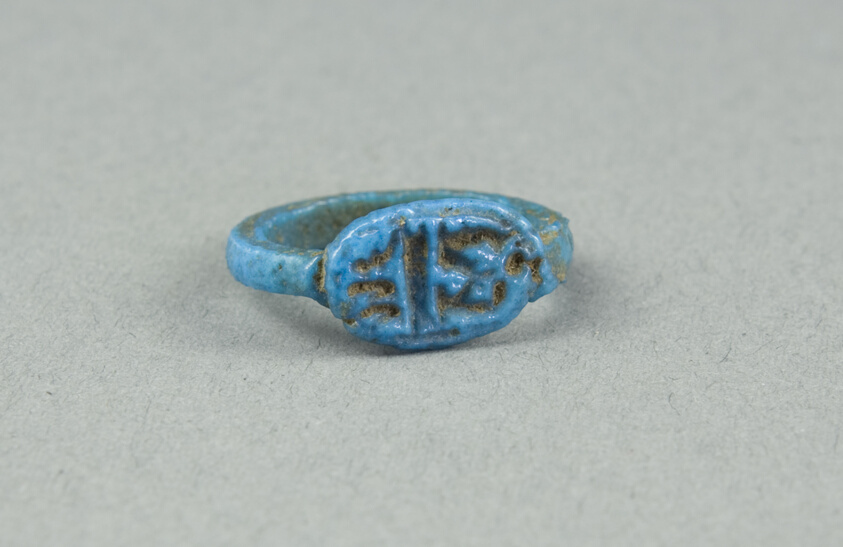
Ring: Ramesses-mry-Amun?
Ancient Egyptian · New Kingdom, Dynasty 20, reign of Ramesses V? (about 1147–1143 BCE)