styles · 10 min read
Renaissance portraits: what defines the style, and having one painted from a photo
What defines a Renaissance portrait — the three-quarter turn, the even light, the hands, the costume — and how the style is painted from your own photograph.
By Thomas Mark
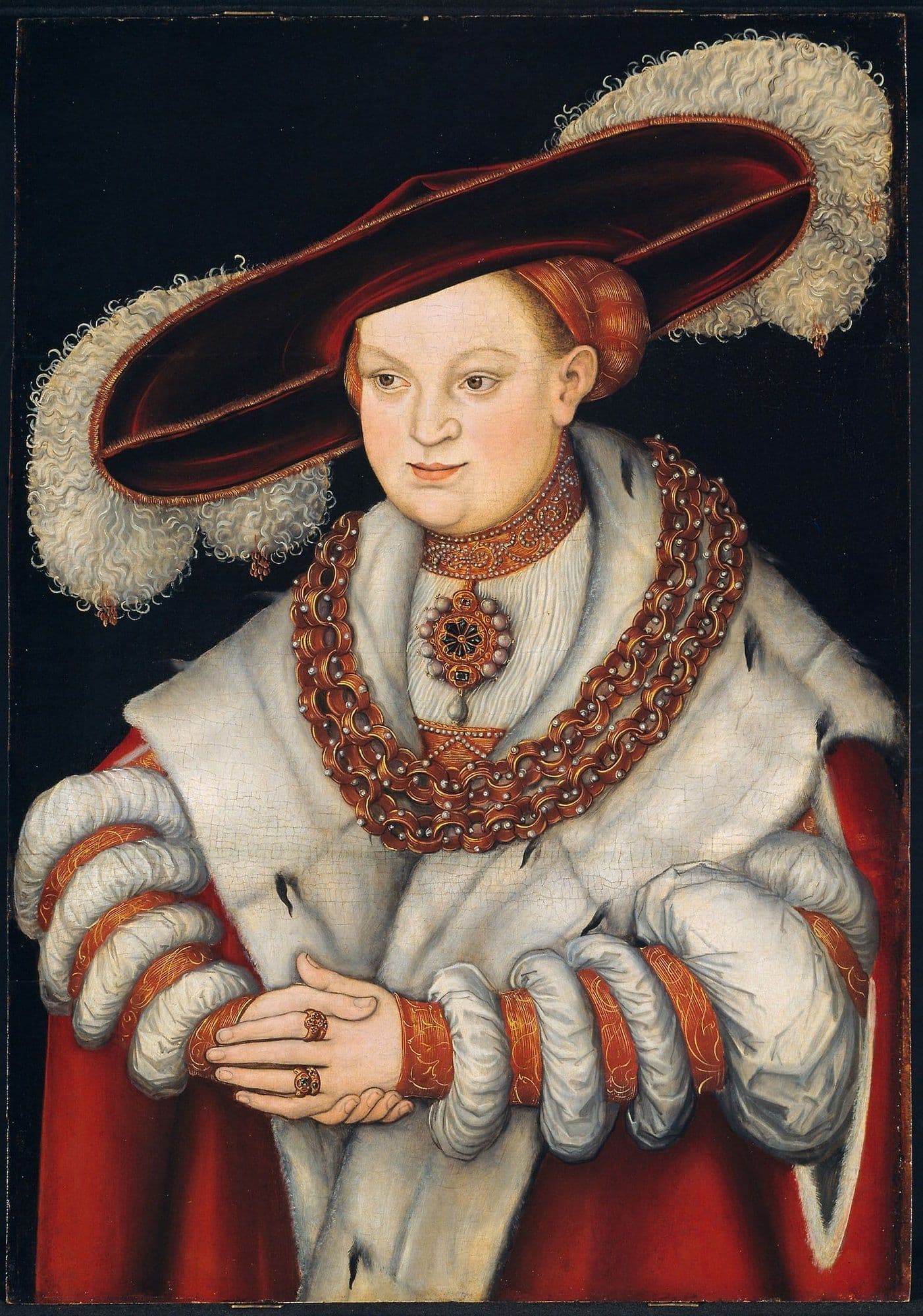
A Renaissance portrait is built to conventions worked out in Europe between roughly 1400 and 1600: the sitter turned three-quarters towards you, lit evenly from one side, hands doing something deliberate, a plain ground or a window behind, and clothing painted as evidence of who this person was. Those conventions are a method for making a face hold a wall, and they work as well on a photograph taken last month.
This guide sets out what defines the style, using paintings from our own masterworks wing, then what happens when you ask for it on your own photograph.
What makes a portrait "Renaissance"
Six things, each checkable against a real painting.
The turn. Early fifteenth-century Italian portraits copied the profile of a coin: sitter side-on, gaze locked out of the frame. By the later fifteenth century the three-quarter view had crossed from Netherlandish practice into Italy and taken over, because it lets the eyes meet yours while the head stays turned. Almost everything people picture as Renaissance is three-quarter.
The light. Even, directional, undramatic. One soft source from the side, shadow describing the cheekbone and jaw without swallowing them. The theatrical spotlight with a black void around it is Baroque, a century later, and the commonest reason a painting people call Renaissance is not one.
Behind the head. Three options: a flat dark ground, a stone parapet, or a window onto a receding landscape. The dark ground is Northern and severe; the window is Italian and gives the sitter a world.
The hands. Sitters hold things — a book, a glove, a flower, a rosary. Hands are half the character of a portrait and the harder half to paint. Crop at the collarbone and you lose them, a decision worth making on purpose.
The costume. Fabric was painted as documentation: velvet with a nap you can read, fur, slashed sleeves, gold chain, the lace ruff of the late sixteenth century. Rank and marriage were legible from three metres away; costume carries the period far more than the face.
The gaze. Composed, self-possessed, not smiling. That matters when choosing a photograph: a wide grin fights everything else in the picture.
Early and High Renaissance, Northern and Italian
Two centuries, two traditions, and the difference changes what your painting looks like.
Early Italian. Line first, colour second. Contours are drawn and stay visible; faces idealised, modelled with restraint. Both of Botticelli's Virgin and Child panels in our catalogue show it: the drawing survives everything painted over it.
High Italian. Contour dissolves. Correggio's Virgin and Child with the Young Saint John the Baptist is the shift in one picture: soft edges, warm half-shadow, flesh with weight.
Northern. Hard edges, jewel-like colour, black grounds, ferocious detail in hair and metalwork, a level unsentimental gaze. Cranach the Elder painted the Saxon court this way for decades; his Magdalena of Saxony is the type specimen.
Baroque, for contrast. The next century added drama: deeper shadow, gold light out of darkness. It is in the table because a fair number of people asking for Renaissance actually want it.
| Tradition | What it looks like | Suits | Watch out for |
|---|---|---|---|
| Early Italian | Clear contour, cool even colour, mild idealisation | Younger women, gentle subjects, pale rooms | Can read flat if the photo is already soft |
| High Italian | Soft edges, warm shadow, physical presence | Children, mother and child, warm interiors | Needs real modelling in the face to work from |
| Northern | Hard detail, dark ground, direct gaze, rich costume | Strong-featured faces, formal commissions, dark walls | Unforgiving — it paints exactly what the photo shows |
| Baroque (comparison) | Deep shadow, gold light, drama | Older men, memorial portraits, serious rooms | Not Renaissance, however often the two get confused |
Female Renaissance portraits
Most surviving named-sitter portraits from the period are of men, yet the female Renaissance portrait is the one that gets copied, printed and searched for. Partly the Mona Lisa's doing, partly that the conventions for women were tighter and so more recognisable: sitter at a parapet, hands folded or holding one object, hair dressed and bound, jewellery stating rank and marriage, a plain dark ground, the turn kept modest.
The uncomfortable part is idealisation. A woman's portrait then was often a document — of a betrothal, a marriage, a dynasty — and the painter smoothed towards a type; Cranach's court ladies share a face across thirty years of paintings. So ask for the female version and say nothing else and you are asking for a tradition that idealises. If you want the actual nose and the actual asymmetry, write it in the notes — easy to meet, and the opposite of what the style historically did, so it needs saying.
Having one painted from your photograph
A custom Renaissance portrait can go two ways, and they produce very different paintings.
Full period treatment. The face comes from your photograph. Costume, parapet, landscape and hands come from historical reference — a Cranach gown, a doublet and chain, a ruff. This is what people mean by turning a photo into a Renaissance painting, and it is bolder on a wall than most expect.
Renaissance handling, modern dress. Same light, same turn, same dark ground and composed gaze, but the sitter wears what they wear. No costume, no props. It does not date, it does not read as a joke to visitors, and it is what we most often recommend for a painting that must live in a family home for decades.
A computer version first, if it's for a pet. The Sitting Room takes one photograph of your dog or cat and paints them into a Tudor, Regency, Dutch or Napoleonic portrait in a few minutes, by computer. The first one is free, £9 buys the full-size file, and it is a picture, not a painting: useful for seeing whether a costume suits them before you commission the real thing, and honest about what it is. It paints pets only; a portrait of a person starts with the photograph and a painter.
Either way the painter invents background, costume and hands if your photograph does not show them. The painter does not invent the face, which is why the photograph matters more than the style.
| Your photograph | Verdict |
|---|---|
| Even daylight, head slightly turned, eyes to camera, sharp on the eyes | Ideal — that is the Renaissance pose already |
| Full-on flash, face flattened, hard shadow behind | Workable, but modelling has to be invented and the likeness softens |
| Sunglasses, hat brim across the eyes, heavy filter | No. Send a different photograph |
| Old, creased, slightly soft print of someone who has died | Often works. Send it and we will tell you honestly |
If you are unsure whether yours carries enough, our guide on choosing a photo for an oil portrait works through it. A period treatment cannot rescue a photograph with nothing in it: a costume is easy to invent, a face is not.
You fill in the order form with the photograph, the subject and a size, and describe the treatment you want in the notes. Then you pay at checkout, and we check the photograph within hours, 9am to 5pm Monday to Saturday (UK time); if it will not make a good painting, you can send another or have a full refund. Painting takes about three to four weeks, plus delivery. Before it ships you get a photograph of the finished painting, and we keep painting until it is right. It arrives rolled in a tube, unframed, for you to frame locally.
A couple, a child, or yourself
A couple. The period had two answers. Pendant portraits — two panels, each sitter turned inwards — are accurate but need two paintings and two frames. A single double portrait is what most people want on one wall. Either works as a couple commission; a second person on the same canvas starts at £35.
A child. Renaissance painters painted children as small adults, which reads strangely on a modern six-year-old. The softer High Italian handling suits them better than Cranach's hard contour, so write "soft and warm, not severe" in the notes. Our guide to portrait painting styles covers the wider options.
Yourself. Commissioning your own portrait stopped being normal a century ago. One figure, three-quarter turn, dark ground, hands visible, at 20 × 24″ has held up for five hundred years.
A dog or a cat. The conventions transfer intact: the animal's face from your photograph, the costume from historical reference. See the guide to Renaissance dog portraits, or go straight to a dog or cat commission.
Sizes, prices, and how to ask for the treatment
There is no style price. The order form asks for a photograph, the subject and a size. A period treatment, a changed background, a costume, a particular handling — all of it goes in the notes field, and none of it costs extra.
| Size | Price | What it suits |
|---|---|---|
| 12 × 16″ | £220 | Head and shoulders. Too small for costume detail |
| 16 × 20″ | £275 | Head and shoulders with a suggestion of costume |
| 20 × 24″ | £330 | Room for hands, parapet and window. Our usual pick |
| 24 × 36″ | £449 | Three-quarter length. Costume becomes the point |
| 30 × 40″ | £489 | Full length, or two figures with space between |
| 36 × 48″ | £549 | Full length at something near period scale |
Each additional person or pet starts at £35. Costume detail needs surface: below 16 × 20″ you get a good face and little else. Start a commission from your photograph when you are ready.
Two sentences are enough: Three-quarter view, plain dark background, Northern Renaissance handling like Cranach, black gown with a gold chain, hands holding a book. Keep her face exactly as it is in the photo.
Frequently asked questions
Can I be painted as one specific painting?
Yes. Name it in the notes and we work to that composition — pose, costume, background, palette. What you get is a new painting in that manner with your face in it, rather than a copy with a head swapped in, because the two never quite fit. The original picture itself is a reproduction, and those start at £129 in the masterworks wing.
Is a Renaissance portrait kitsch?
It can be. The full costume version is a strong flavour, and in the wrong room it reads as a novelty. Two things keep it on the right side: a scale that suits the room, and a face painted seriously. The modern-dress version is near impossible to make kitsch; if the question worries you, order that one.
Can you paint it in profile?
Yes — the most authentically early-Renaissance option there is. Two warnings. A profile is harder to recognise as a particular person, so relatives sometimes react coolly. And it needs a genuine side-on photograph: a three-quarter face cannot be rotated into profile without inventing half of it.
Do you send a sketch or a preview first?
No. There is no digital mock-up, no sketch to approve and no progress photos. What you get is an honest reply within hours, 9am to 5pm Monday to Saturday (UK time), about what your photograph can and cannot support, then a photograph of the finished painting before anything ships, with more painting done if it is not right. If you want to see the general idea before you commit, the Sitting Room will paint a computer version from your photograph in a few minutes, free — it is a picture, not a preview of the painting, but it shows whether the treatment suits the face.
How long does it take, and how does it arrive?
About three to four weeks of painting, plus delivery. It ships rolled in a tube, unframed, which protects the surface in transit and lets you frame it locally. This style carries a heavy traditional moulding well.
Can you paint someone who has died, from an old photograph?
Often, yes, and the style suits it — the composed gaze and still even light are close to what people want from a portrait of someone they have lost. Send the best photograph you have, however small or creased, and we will tell you honestly whether there is enough in it — and refund you in full if there is not. More on the memorial commission page.